
One of the most common questions we get from homeowners who are planning a renovation is whether to tackle the kitchen and bathroom at the same time or separately. The short answer is: it often makes sense to combine them, but not always. Here is how to think through the decision.
The Case for Combining Kitchen and Bathroom
The strongest argument for combining rooms is efficiency. When a renovation crew mobilizes for a project, there are setup costs, scheduling costs, and coordination costs that apply regardless of the number of rooms. Doing a kitchen and bathroom in the same project does not double those overhead costs it spreads them across a larger scope.
The other major argument is design consistency. A kitchen and bathroom renovated at different times by different contractors, or even by the same contractor in different years, will almost always feel slightly mismatched. Materials, finishes, and tile patterns chosen independently tend to drift. When both rooms are planned together, the palette can be coordinated from the start.
Finally, the disruption argument. A renovation, even a well-run one, disrupts your home. Dust, noise, tradespeople in and out, temporary loss of a bathroom or kitchen. Doing both rooms at once means one period of disruption rather than two.
When It Makes the Most Sense
- Both rooms genuinely need renovation not just one room that is dragging the other along
- You have a budget that can accommodate both without compromising the quality of either
- The rooms are adjacent or share a plumbing wall, which allows plumbing work to be coordinated efficiently
- You want design consistency throughout the main living areas
- You are planning to sell in the next few years an updated kitchen and bathroom together has more impact on resale value than one room updated
When It Does Not Make Sense
Combining projects is not always the right decision. It does not make sense if:
- Your budget is limited and combining would force you to compromise quality in both rooms rather than doing one properly
- One room genuinely needs renovation now and the other could reasonably wait two or three years
- You only have one bathroom in the home and the project would leave you without a functional bathroom for an extended period
- The kitchen scope is very different in complexity from the bathroom, making scheduling and trade coordination difficult
The worst outcome is trying to stretch a budget across two rooms and ending up with both done to a lower standard than either deserved. If budget is a constraint, we will tell you honestly which project to prioritise.
How to Plan a Combined Kitchen and Bathroom Project
The key is sequencing. In most cases, the kitchen and bathroom cannot be worked on simultaneously by the same trades the plumber, for example, can only be in one place at a time. A well-planned combined renovation sequences the work so that trades move efficiently between rooms without creating bottlenecks.
The other planning consideration is material selection. When the rooms are being designed together, tile selections, cabinet finishes, hardware, and colour palettes should be reviewed side by side before any orders are placed. What looks good in isolation in a showroom does not always work as a combination in a home.
We handle all of this coordination as part of our project management. The 3D design we provide free with every project is particularly valuable on combined renovations seeing both rooms rendered together before anything starts allows you to catch mismatches at the design stage rather than mid-construction.
A Real Example: Two Bathrooms and a Kitchen in Mississauga
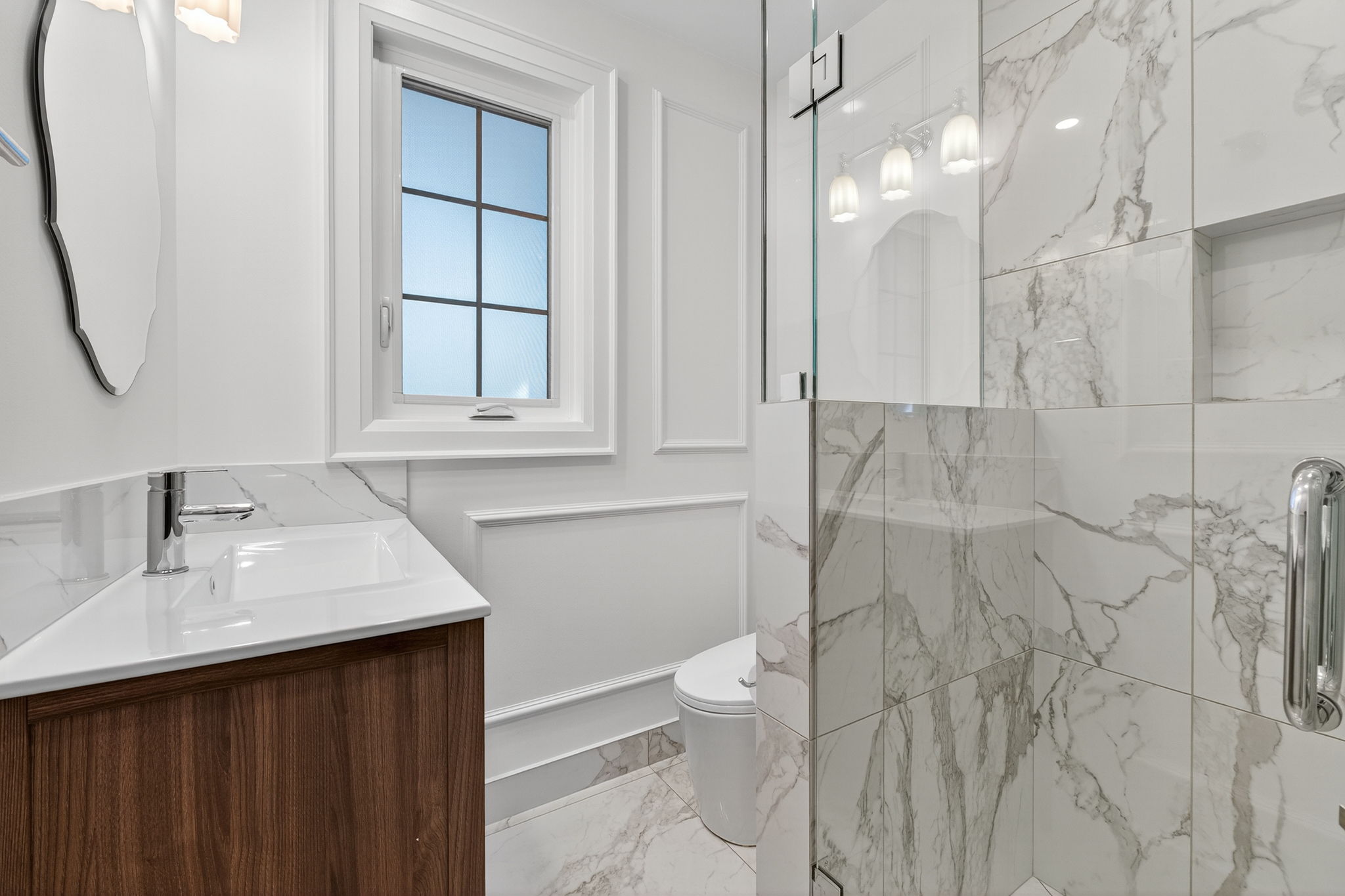
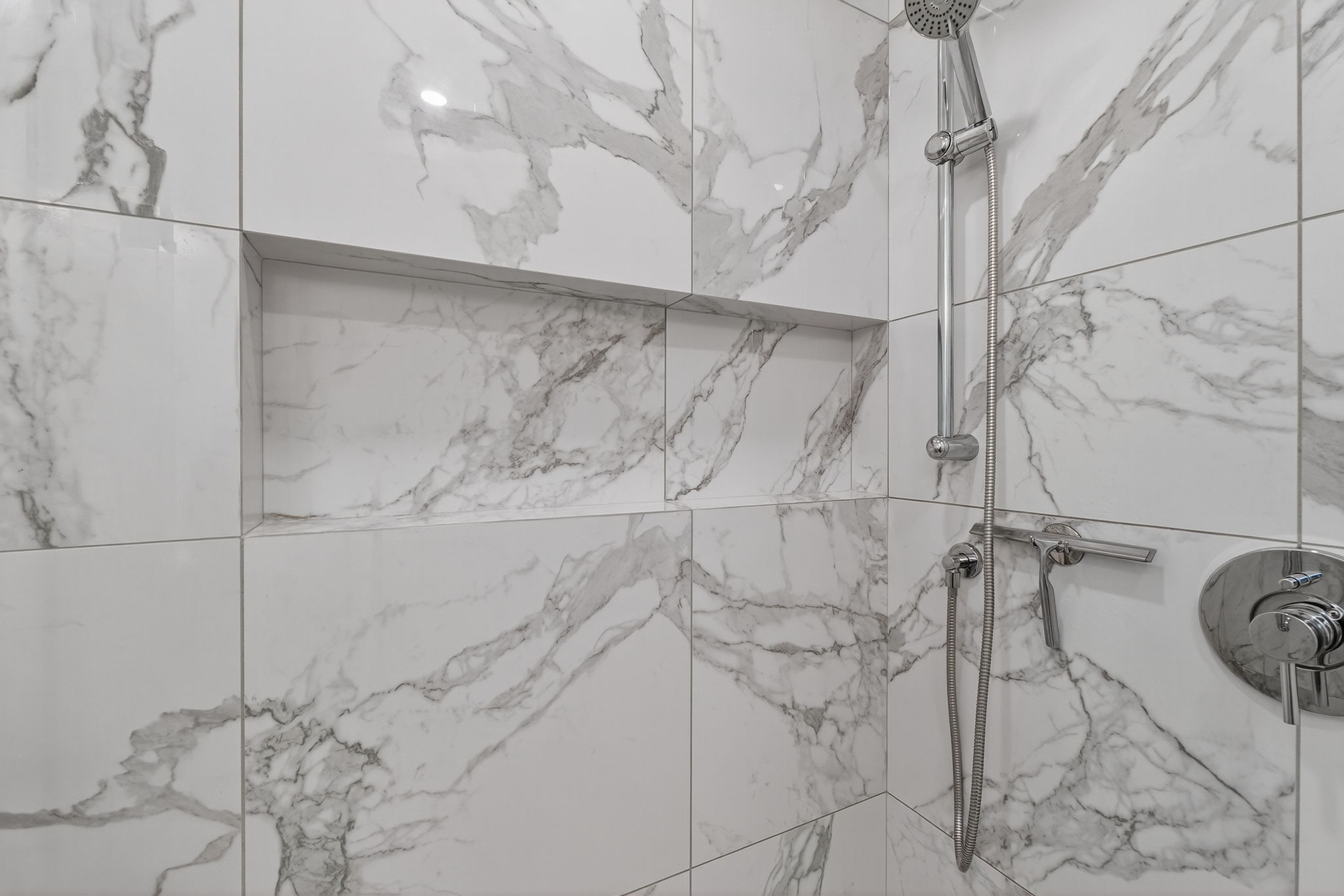
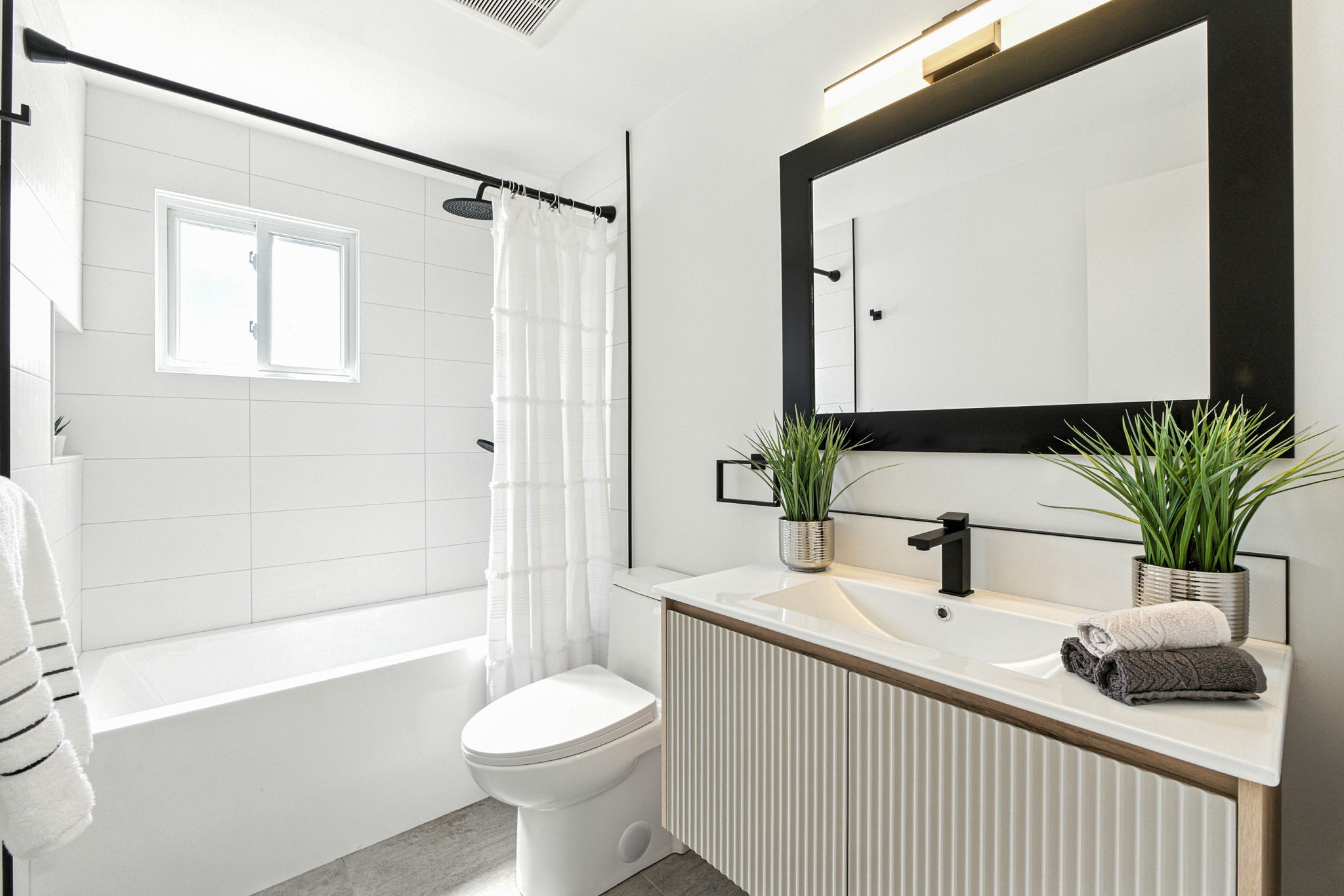
One of our recent Mississauga projects covered two full bathroom renovations, a kitchen backsplash, a fireplace feature wall, and new flooring throughout the entire home all as a single combined project. The homeowners had been thinking about doing the rooms separately over several years. After seeing the efficiency and design benefits of doing them together, they decided to tackle everything at once.
The result was a home that felt completely refreshed rather than patchwork. The tile selections in the bathrooms, the kitchen backsplash, and the flooring were all chosen together and worked as a unified palette. The disruption was four weeks rather than what would have been two or three separate projects over several years.
You can see the full project in our portfolio. If you are considering a combined renovation, get in touch and we will walk through the options with you.